Chihuahuenos Restoration, NM
Project Background
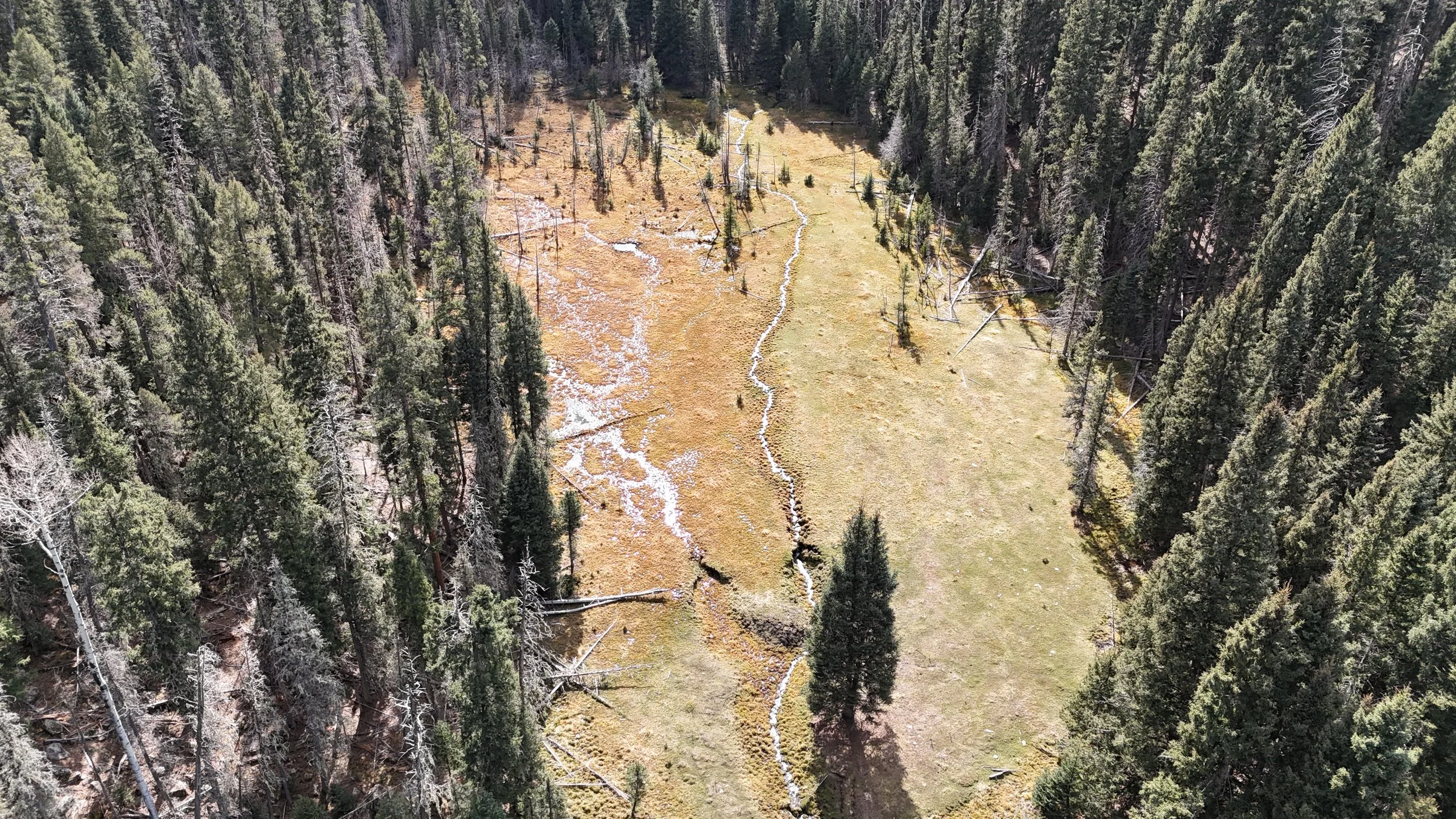
The rangeland ecosystems within the Chihuahuenos project area have experienced over a century of anthropogenic impacts, primarily associated with historic and unregulated grazing practices. These impacts have resulted in degraded channel conditions, loss of riparian habitat, reduced hydrologic connectivity, and diminished resilience to climate change. Channel incision, headcutting, and structural simplification have further limited the system’s ability to store water, support native vegetation, and provide high‑quality aquatic habitat.
Project Stats:
Implementation Period: Fall 2024 – Spring 2025
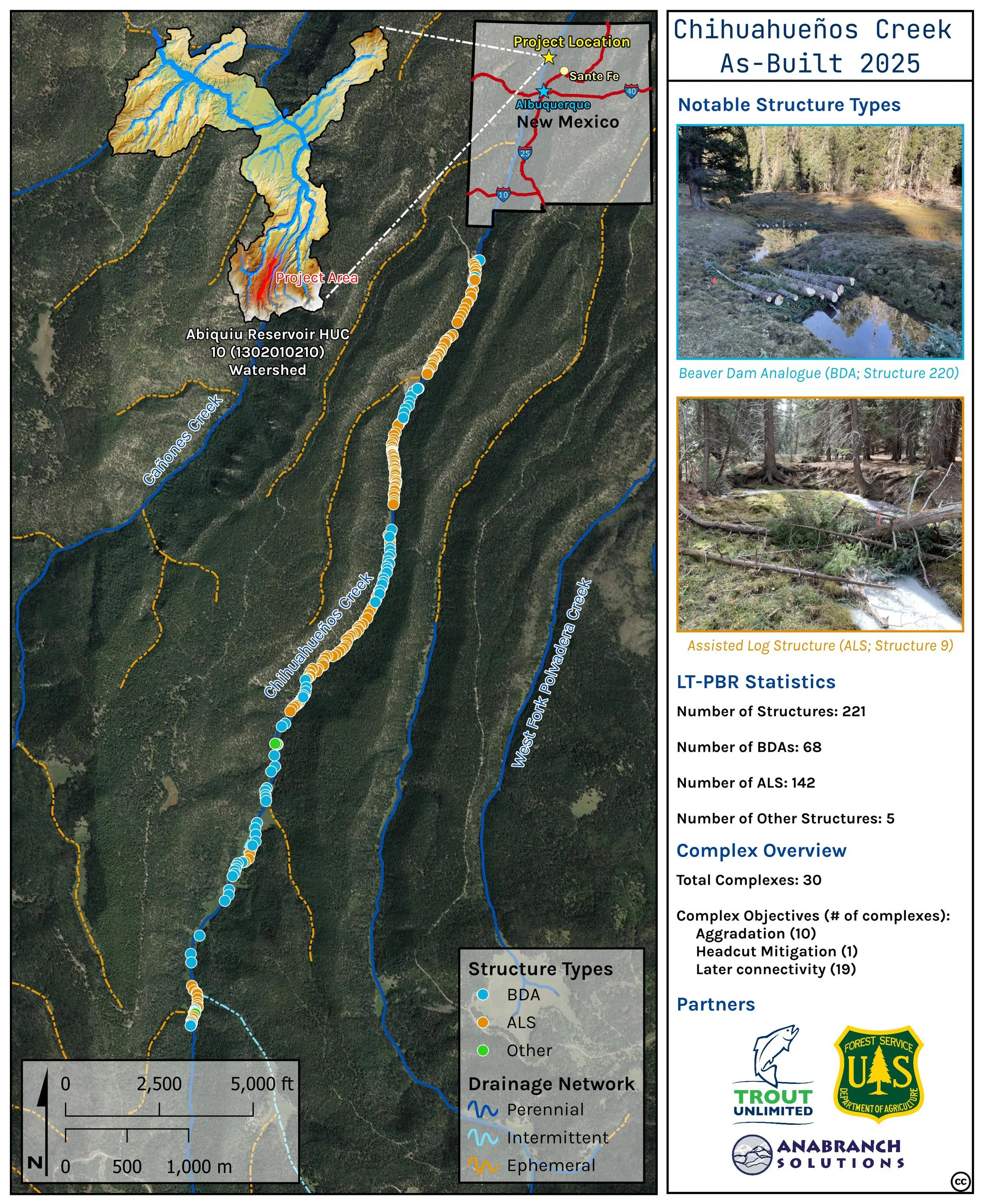
Total Structures Completed: 221
Total Complexes: 30
Total Stream Length Treated: 7,011 meters (4.3 miles)
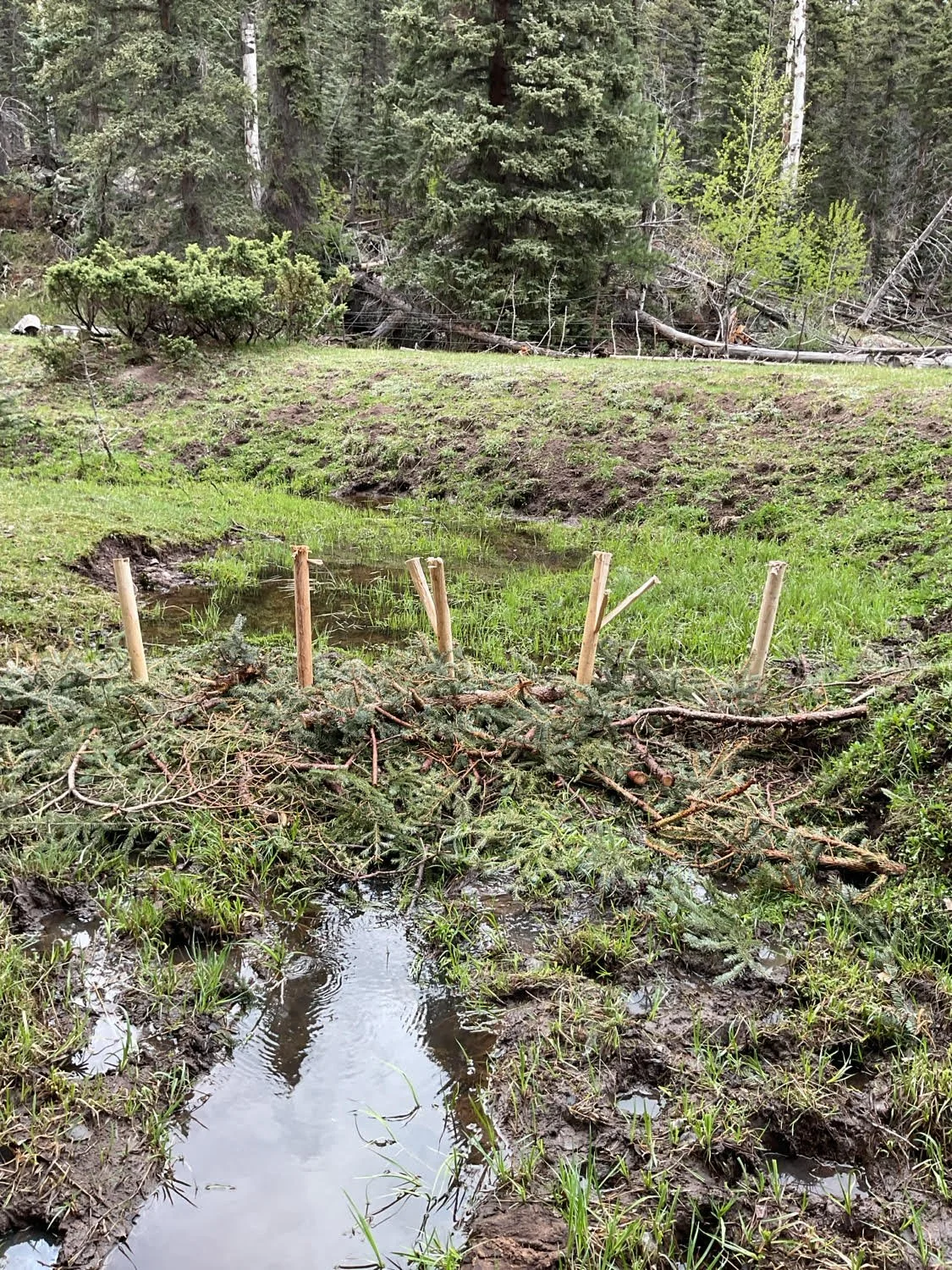
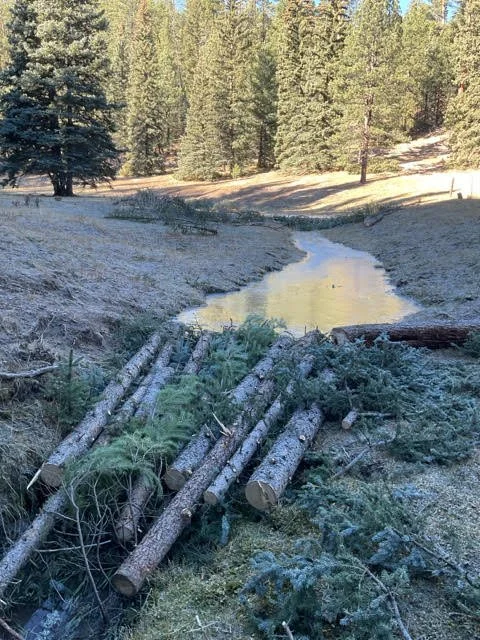
-
The long‑term, overarching goal of the Chihuahueños Creek Headwaters Restoration Project is to restore natural geomorphic, hydrologic, and biotic processes throughout the system. Specific project goals include:
Increased health and diversity of riparian vegetation
Increased channel–floodplain connectivity
Maintenance of pool habitat later into the seasonal low‑flow period
Development of self‑sustaining processes of wood accumulation and/or beaver activity
Enhanced habitat for Rio Grande Cutthroat Trout (Oncorhynchus clarkii virginalis)
Provision of water and forage for grazing operations
-
Restoration objectives were developed to test expected geomorphic, hydrologic, and biological responses to treatment implementation. Core objectives include:
Stabilize channels by mitigating headcuts and promoting aggradation
Increase channel complexity, length, and structural diversity
Improve vertical and lateral hydrologic connectivity across the valley bottom
Restore structural elements and reverse riverscape simplification
Enhance riparian soil moisture, vegetation extent, and carbon storage
Increase pool number and depth to support aquatic habitat, temperature regulation, and livestock watering
-
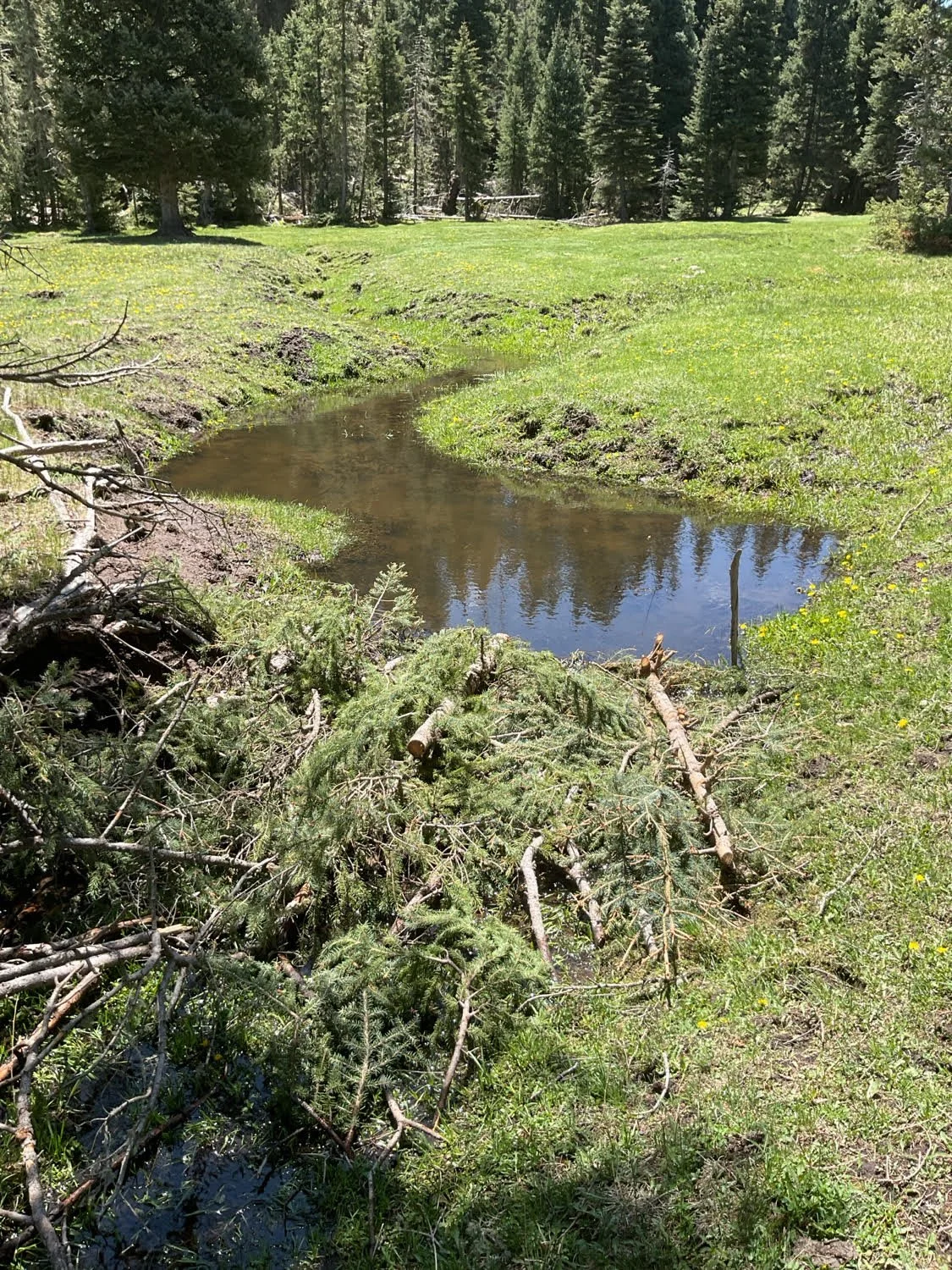
Overall, the project demonstrated positive ecological responses following implementation. Many of the stated project goals were successfully met, including improved habitat conditions and enhanced hydrologic function within treated reaches. The structures have begun supporting natural processes that contribute to long‑term stream and riparian health. Due to time constraints, the full project design was not implemented during this phase. Additional work is required to complete the upper reaches of the project area. Future implementation is scheduled for June 2026 and will be carried out by Youth Core Groups led by Anabranch Solutions. Completion of this work will further advance project goals and strengthen long‑term restoration outcomes.
Learn more about the project by checking out the PBR Explorer!
Our Partners
Meet the partners who made the Chihuahuenos Project possible. Click the images to find out more!